America 4th of July: A Designer’s Review for Real Projects
As an embroidery designer who has spent countless hours digitizing, stitching, and troubleshooting files for clients, I approach every new machine embroidery design with a critical eye. It is not enough for a pattern to look good on a screen; it must perform under the needle. Recently, I evaluated the America 4th of July design to determine its viability for commercial and personal use. This is not just a generic patriotic graphic; it is a test of how well traditional symbols translate into thread.
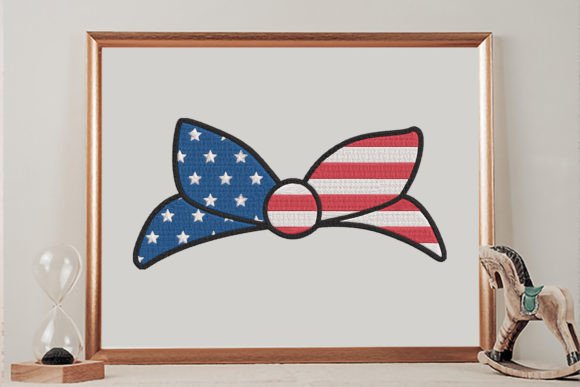
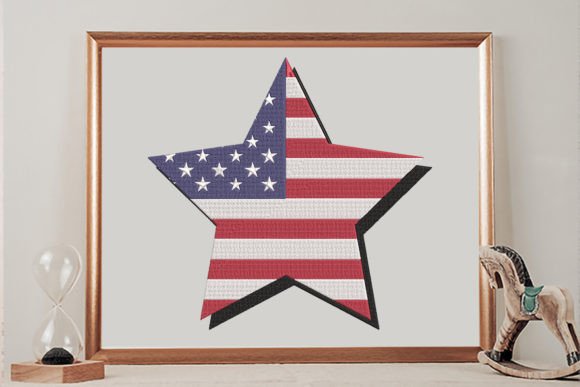
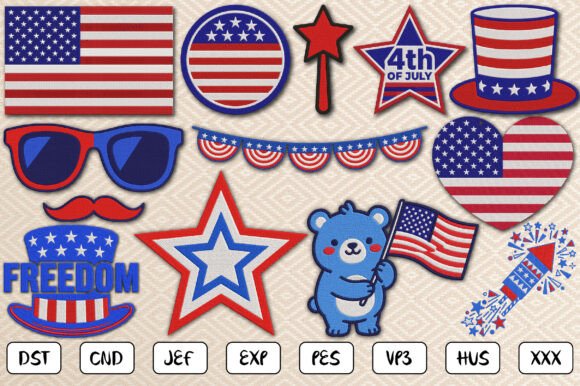
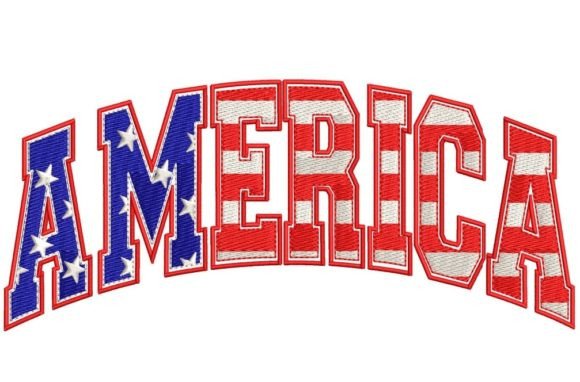
The first impression of this embroidery file is one of bold confidence. The layout bursts with stars and stripes, capturing the iconic American flag in a way that feels dynamic rather than static. For those of us in the craft business, mood matters. This design evokes pride and celebration without feeling cluttered. The visual personality is clean, making it suitable for a wide range of applications, from boutique branding to personalized gifts.
Real-World Application: The Tote Bag Test
To truly understand the value of this design, I simulated a real-life scenario. Imagine a customer ordering a custom embroidered tote bag for a summer picnic or a local parade. The America 4th of July design sits centrally on a heavy canvas fabric. Here, the stitch density plays a crucial role. If the design is too dense, the canvas may pucker; if it is too light, the fabric might show through. In my assessment, this design balances fill stitches and open areas effectively, ensuring the finished product remains flat and professional.
Beyond tote bags, this tote bag design concept extends seamlessly to other popular items. Consider sweatshirt embroidery. A crewneck sweatshirt provides a stable surface for the larger elements of the flag and stars. The texture of the fleece complements the satin stitch borders often found in such patriotic motifs. However, when moving to custom apparel like t-shirts, caution is required. Thin jersey fabrics demand a robust stabilizer strategy to prevent distortion, especially with a design that carries significant visual weight.
Navigating Fabric and Hoop Constraints
One of the most common mistakes makers make is ignoring the relationship between hoop size and design scale. Before loading this digital embroidery file, you must confirm the dimensions fit your machine’s capabilities. While the design is versatile, it may not be suitable for small hoop sizes if the intricate details of the stars become lost. Always check the specific measurements provided with the file.
Fabric texture also dictates success. On smooth cotton or linen, the America 4th of July design will appear crisp and defined. However, on textured fabrics like towel material or rough denim, the finer details might get swallowed by the weave. For holiday embroidery projects involving kitchen towels or aprons, I recommend testing on scrap fabric first. This allows you to adjust tension and stabilizer type before committing to the final piece.
Curved surfaces present another challenge. Applying this design to a cap requires careful consideration of the curve. The stripes must align correctly to avoid visual distortion. If you are creating an embroidered patch instead, the rigid backing of the patch material offers more stability, allowing the satin stitch elements to pop without worrying about fabric stretch.
Commercial Viability and Customer Trust
For Etsy sellers and small shop owners, the aesthetic appeal of a design directly impacts buyer engagement. The America 4th of July design offers high recognition value. Customers instantly connect with the stars and stripes, which reduces the cognitive load required to understand the product. This clarity builds trust. When a handmade product looks professional, customers perceive higher value.
However, professionalism goes beyond the design itself. It involves the presentation. Use printable mockups to visualize how the design looks on dark versus light backgrounds. Thread color contrast is vital. Traditional red, white, and blue work well, but consider modern twists for boutique branding. Perhaps a monochromatic scheme for a subtle, sophisticated look? Testing the design in black and white mockups can reveal if the stitch definition holds up without color reliance.
When selling finished items, ensure you have the correct license. Many digital embroidery files come with restrictions on commercial use. Always verify whether the file allows for mass production or limited handmade sales. This due diligence protects your craft business from legal issues and ensures ethical practices.
Technical Notes for the Serious Stitcher
Before running this design on a client’s expensive garment, follow these practical steps:
- Check Stitch Density: High density can cause puckering. If the design feels stiff after stitching, consider using a lighter weight stabilizer or adjusting machine tension.
- Inspect Small Details: Zoom in on the stars. Are the points sharp? Do they rely on tiny satin stitches that might snag? If so, advise customers on gentle care instructions.
- Test on Scrap Fabric: Never skip this step. Use the same fabric type and weight as your final project. This reveals issues with thread breaks or nesting.
- Confirm Hoop Size: Ensure the design fits comfortably within your hoop, leaving room for stabilization and framing.
- Evaluate Thread Colors: Match threads to the design’s intent. Vibrant colors enhance the festive mood, while muted tones offer a vintage feel.
Additionally, consider the end-use of the product. Items like baby clothes require soft backings and minimal scratchy stitch ends. If adapting this design for baby embroidery, ensure no dense fill stitches are placed where they might irritate sensitive skin. For items that need frequent washing, such as aprons or pillow covers, secure all thread tails and use high-quality polyester threads that resist fading.
Final Verdict on America 4th of July
The America 4th of July design stands out as a reliable asset for independent designers and hobbyists alike. It captures the spirit of Independence Day with a balance of tradition and modern stitch execution. Whether you are creating a personalized gift for a neighbor, stocking your Etsy shop with holiday-themed decor, or producing bulk items for a local event, this design offers versatility.
Its strength lies in its adaptability. It works well on sturdy fabrics like canvas and denim, provided the stabilizer is chosen wisely. It adds value to simple items like tote bags and caps, transforming them into statement pieces. However, success depends on the maker’s attention to detail. By respecting the technical requirements of stitch density, fabric texture, and hoop limitations, you can produce a finished product that reflects quality and care.
In the competitive world of handmade goods, having a strong, recognizable design is half the battle. The other half is execution. With proper preparation and a keen eye for detail, the America 4th of July embroidery project can become a staple in your seasonal collection, driving customer satisfaction and repeat business. Remember, the best designs are those that not only look good but also stitch well, standing the test of time and wear.