American Flag Easter Egg: A Designer’s Review
As an experienced embroidery designer who spends countless hours digitizing and testing patterns, I approach every new machine embroidery design with a critical eye. It is not just about whether the stitches look clean on the screen; it is about how that design performs in the real world. Will it sell at a weekend craft fair? Does it hold up after washing? Is it versatile enough to justify the purchase price for a small business owner? Today, I am reviewing the American Flag Easter Egg, a unique crossover piece that blends patriotic symbolism with seasonal charm.
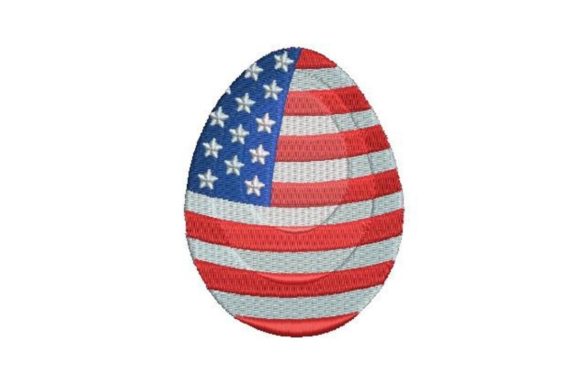
The product description states: "This Easter Holiday you be also patriotic with this awesome embroidery design of an American flag easter egg This machine embroidery design comes with multiple embroidery file formats and can be used." While the grammar in the original listing is rough, the concept is intriguing. We are looking at a fusion of two distinct holidays: the spring renewal of Easter and the national pride associated with Independence Day. For a craft fair seller, this hybrid appeal can be a goldmine if executed correctly.
First Impressions and Visual Appeal
When I first visualize the American Flag Easter Egg, I see a design that leans heavily into the "festive" and "cute" categories. It is not minimalist, nor is it strictly rustic. Instead, it feels like a playful, decorative statement piece. The juxtaposition of the stars and stripes against the curved silhouette of an egg creates an immediate visual hook. For customers browsing a busy booth, this familiarity mixed with novelty grabs attention. It stands out because it defies the usual seasonal silos. Most sellers have separate sections for spring pastels and summer reds, whites, and blues. This design bridges that gap, allowing you to market it as a spring item with patriotic flair or a pre-summer patriotic item with a whimsical twist.
The boldness of the American flag ensures high visibility. In a sea of subtle farmhouse florals, the high-contrast thread colors of red, white, and blue demand notice. This is crucial for a craft fair product where you have seconds to capture a passerby’s interest. However, the success of this visual appeal depends entirely on execution. If the stitch density is too high, the fabric may pucker. If the details are too tiny, the flag motif might blur into a messy blob from a distance.
Versatility Across Product Lines
One of the strongest assets of this design is its potential application across various handmade products. As a designer, I always look for designs that can be scaled or adapted without losing integrity. Here is how I see the American Flag Easter Egg performing on different items:
- Tote Bag Design: Placed centrally on a canvas tote, this becomes a statement bag. It works well for market runs or beach trips leading up to July 4th.
- Apron Embroidery: A bib apron with this design adds a fun, thematic touch for backyard barbecues. It appeals to hosts who want to show spirit while cooking.
- Tea Towel Embroidery: This is perhaps the most natural fit. Kitchen linens are high-volume sellers. The oval shape of the egg fits perfectly within standard towel dimensions, leaving room for monogramming or additional text.
- Embroidered Patch: If the design includes a satin stitch border, it can be cut out and applied as a patch on denim jackets or caps. This extends the life of the product beyond the holiday season.
- Pillow Covers: A small accent pillow with this design can refresh a living room for spring and transition seamlessly into summer decor.
For Etsy sellers and digital creators, this versatility means you can create multiple listings from one digital embroidery file. You can offer it as part of a bundle or highlight specific use cases in your printable mockup images. Showing the design on a cap versus a tote bag helps customers visualize the end result, increasing conversion rates.
Production Practicalities and Technical Notes
Before you rush to hoop your fabric, there are critical technical considerations. The description mentions that the design comes in multiple formats, which is standard for professional design assets. However, it does not specify exact stitch counts or recommended hoop sizes. As a prudent maker, you must check these details before production. A design that is too dense for a lightweight cotton tea towel will cause distortion. Conversely, a design that is too sparse may look cheap on a heavy canvas tote.
Stitch density is your primary concern here. Flags involve solid blocks of color. If the digitizer has not used proper underlay or spacing, you risk thread breaks and needle heat. Always test the design on scrap fabric that matches the weight and weave of your final product. Pay close attention to the transition between the red and white stripes. Poorly digitized transitions can leave gaps or overlapping threads that look messy in person, even if they look fine on a computer screen.
Consider the thread colors carefully. Standard red, white, and blue may look flat. Consider using variegated threads for the blue field to add depth, or a slightly darker red to prevent bleeding during washing. Also, evaluate the background. On dark fabric, the white portions of the flag will pop, but you may need to adjust brightness settings on your machine or use a white underlay to ensure coverage.
Fabric texture plays a huge role. Textured towels can obscure fine details. If the egg outline relies on thin running stitches, it may get lost in the loops of a terry cloth towel. In such cases, opt for a waffle weave or smooth linen. For curved surfaces like caps, ensure the design is not too wide, as it may distort around the seam. A smaller version of the American Flag Easter Egg might work better as a left-chest logo on a hat, while the full size suits flat items.
Maximizing Sales and Brand Consistency
For boutique makers and creative entrepreneurs, consistency is key. Does this design fit your brand? If your shop is known for elegant, minimal aesthetics, this bold, festive design might feel out of place. However, if your brand embraces fun, colorful, and traditional American crafts, it is a perfect addition. It enhances booth display strength by adding variety to your color palette.
When creating your small shop product lineup, consider bundling. Sell the embroidered tea towel alongside a matching oven mitt or pot holder. This increases the average order value. For commercial embroidery users, ensure you have the correct license. The description says it "can be used," but always confirm if this includes unlimited physical sales or if there are restrictions. Never assume; always read the included license file.
Finally, think about the customer journey. A buyer seeing this item in April might buy it for Easter. A buyer seeing it in June might buy it for Memorial Day or July 4th. By marketing it as a multi-seasonal item, you extend its shelf life. Use social media to show the transition. Post photos of the item in a spring basket, then later in a picnic setup. This demonstrates value and versatility to your audience.
Final Verdict
The American Flag Easter Egg is a promising asset for any embroidery business looking to diversify its seasonal offerings. It is bold, recognizable, and adaptable. However, its success relies on careful technical execution. Test your stabilizers, choose your fabrics wisely, and verify the file specifications. With the right approach, this design can become a staple in your finished product inventory, driving engagement and sales throughout the spring and summer months. Remember, the best designs are not just pretty; they are practical, durable, and profitable. Treat this design with the professional scrutiny it deserves, and it will reward you with happy customers and repeat buyers.