Review: Mini Daisy Flower with Heart for Business Merch
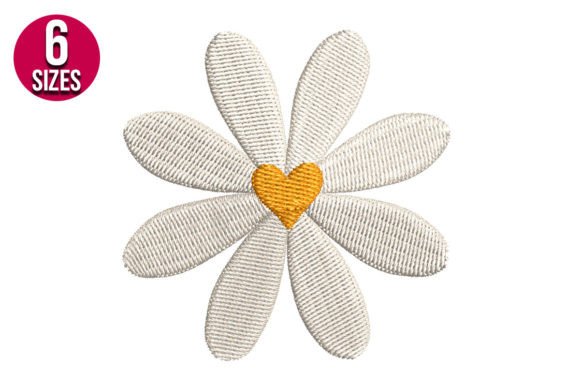
As an embroidery designer who has spent years digitizing and testing files for commercial clients, I approach every new machine embroidery design with a critical eye. It is not just about whether a motif looks cute on a screen; it is about how it performs on fabric, how it translates to brand identity, and whether it holds up under the stress of daily wear. Today, I am reviewing the Mini Daisy Flower with Heart, a piece from the Single Flowers Plants category that promises a fresh and dainty accent for various fabrics.
This review is tailored for small business owners, Etsy sellers, apparel decorators, and crafters who need reliable design assets for their product lines. We will look beyond the aesthetics to evaluate its practical application in real-world commercial embroidery projects.
First Impressions: Visual Personality and Brand Fit
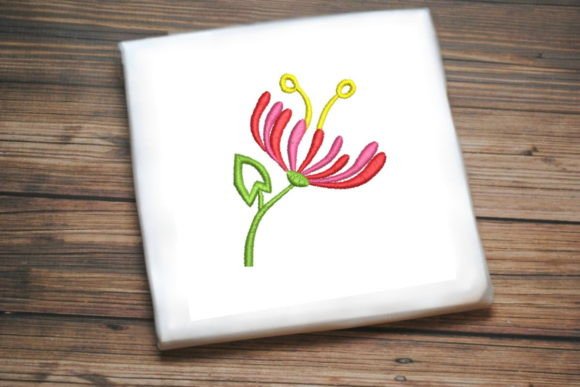
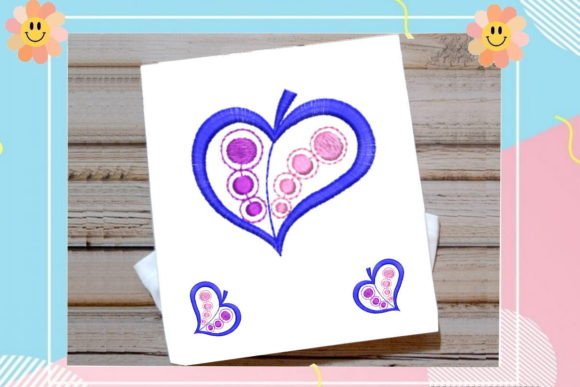
The Mini Daisy Flower with Heart immediately strikes me as playful yet elegant. The combination of a classic daisy structure with a subtle heart element creates a visual language that is both youthful and welcoming. For businesses in the lifestyle, bakery, florist, or boutique sectors, this design communicates warmth and approachability. It does not scream for attention with aggressive boldness; instead, it offers a friendly nod to the customer.
From a design perspective, the "dainty" description is accurate. This is not a heavy, dense logo suitable for corporate law firms. It is ideal for brands that want to project a handmade, artisanal, or community-focused image. When considering your brand identity, ask yourself if this level of whimsy aligns with your customer base. For a pet brand or a children’s clothing line, it is perfect. For a high-end luxury retailer, it might feel too casual unless used very sparingly as a hidden detail.
Real-World Applications for Small Business Merch
The true test of any digital embroidery file is its versatility. Here is how I envision the Mini Daisy Flower with Heart performing across different merchandise types:
- Embroidered Patches: This design shines as a small iron-on or sew-on patch. Its compact nature allows it to be produced efficiently, making it a cost-effective add-on for tote bags or denim jackets. The heart element adds a unique twist that distinguishes it from generic floral patches.
- Apron Embroidery: For cafes, bakeries, or flower shops, staff uniforms are walking billboards. Placing this design on the chest pocket or lower corner of an apron adds a touch of personality without overwhelming the uniform. It reinforces the idea of care and freshness associated with food and flora.
- Cap Embroidery: Front-panel cap embroidery requires designs that are simple and legible. The Mini Daisy Flower with Heart works well here, provided the stitch density is optimized for curved surfaces. It serves as a charming alternative to text-heavy logos.
- Tote Bag Design: Canvas totes are staples for handmade brands. A cluster of these daisies, or a single centered motif, can elevate a plain bag into a desirable accessory. The design’s simplicity ensures it does not pucker lightweight canvas if proper stabilizer is used.
- Product Packaging Accents: Consider using this design on fabric tags or ribbon ends for packaging. It extends the unboxing experience, making the finished product feel more premium and thoughtful.
Technical Considerations and Production Notes
While the aesthetic appeal is strong, technical execution is where many small businesses stumble. The product description notes that the design comes with multicolor options, which is excellent for vibrancy. However, as a professional, I must advise caution regarding stitch density and size.
Because this is described as "mini" and "dainty," there is a risk that fine details may get lost if scaled down too far. Before running a full production batch, you must test the embroidery file at your intended size. If you are placing it on a curved surface like a cap or a sleeve, ensure the design is not too wide, as this can cause distortion.
Furthermore, consider the thread colors. While the default multicolor scheme is likely vibrant, you should test the design in monochrome (black and white) to see if the shape remains recognizable. This is crucial for customers who may want custom color matching for their specific brand palette. If the heart element blends into the petals due to poor contrast, the design loses its unique selling point.
Fabric and Stabilizer Selection
The description suggests using this on fabrics that need a youthful look. In practice, this means cotton blends, linen, and canvas. Be cautious with textured fabrics like thick wool or terry cloth, as the small details of the daisy petals may sink into the pile. Always use an appropriate stabilizer—cut-away for stretchy fabrics like t-shirts, and tear-away for stable woven fabrics like aprons or tote bags. This prevents puckering and ensures the handmade product looks professional rather than amateurish.
Enhancing Brand Identity and Customer Trust
Consistency is key to building trust. Using a cohesive set of design elements, such as the Mini Daisy Flower with Heart, across your small business merch creates visual consistency. When a customer sees the same delicate daisy on your website, your packaging, and your staff aprons, it reinforces brand recognition.
This design can also serve as a subtle marker of quality. A well-executed embroidery job signals that you care about details. Conversely, a poorly stitched logo can detract from perceived value. By choosing a design that is inherently simple and clean, you reduce the risk of thread breaks and misalignments, leading to a higher quality custom apparel line.
Practical Steps Before Commercial Use
Before you integrate this Embroidery design into your commercial workflow, follow these steps:
- Check Licensing: Confirm the license terms included with the file. Ensure it covers commercial use for physical goods if you plan to sell items featuring this design.
- Create a Printable Mockup: Use digital tools to place the design on images of your actual products. This helps clients visualize the final result and aids in approval processes.
- Test on Real Fabric: Do not rely solely on screen previews. Stitch out the design on the exact fabric type you intend to use for production. Check for pull, puckering, and thread breaks.
- Verify Hoop Size: The description does not specify exact hoop requirements. Check the file details to ensure it fits within your machine’s smallest hoop if you are doing high-volume, small-item work.
- Evaluate Wash Durability: If this is for uniforms or frequently washed items, test the stitched sample through multiple wash cycles to ensure the threads do not fray or fade excessively.
In conclusion, the Mini Daisy Flower with Heart is a versatile and charming addition to any designer’s library. It is particularly well-suited for businesses aiming to project a friendly, artisanal, and fresh image. By paying attention to technical details like stabilizer choice and stitch density, you can leverage this design to create high-quality commercial embroidery that enhances your brand and delights your customers.