Reviewing the 4th of July Embroidery Design for Business Use
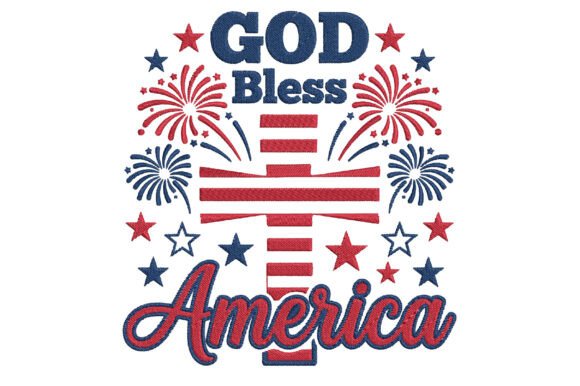
As an embroidery designer who has spent years digitizing files and consulting with small business owners, I approach every new machine embroidery design with a critical eye. It is not just about whether a pattern looks pretty on a screen; it is about how it performs in the real world of commercial production. Today, I am reviewing the 4th of July design, a piece marketed for its bold lettering and distressed American flag motif. For boutique owners, Etsy sellers, and apparel decorators, understanding the practical application of this file is crucial before committing to bulk production.
First Impressions: Visual Personality and Brand Fit
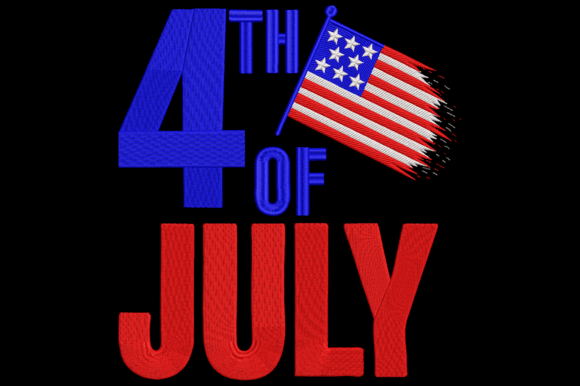
The initial preview of the 4th of July design suggests a blend of patriotic pride and rustic charm. The description highlights vibrant red and blue lettering paired with a distressed American flag. This combination immediately signals a specific aesthetic: it is not ultra-modern or minimalist, nor is it overly formal. Instead, it leans into a classic, slightly weathered look that resonates well with handmade brands and local businesses aiming for an approachable, community-focused vibe.
For a bakery, florist, or pet brand looking to capitalize on seasonal sales, this visual personality works in your favor. It feels friendly and celebratory rather than stiff. However, if your brand identity relies on sleek, high-end luxury, you might find the distressed elements too casual. The key is alignment. Does this design complement your existing brand identity? If your shop favors vintage aesthetics or Americana themes, this design is a strong contender for your summer catalog.
Real-World Applications for Small Business Merch
When evaluating a digital embroidery file for commercial use, versatility is paramount. Here is how the 4th of July design performs across various product categories:
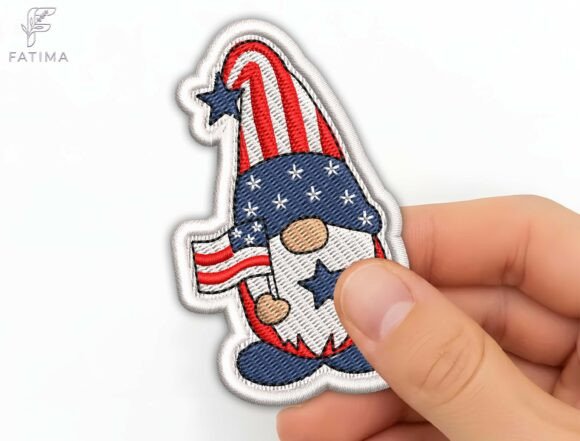
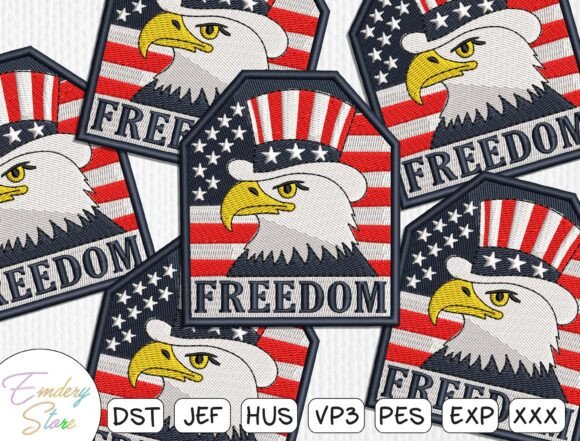
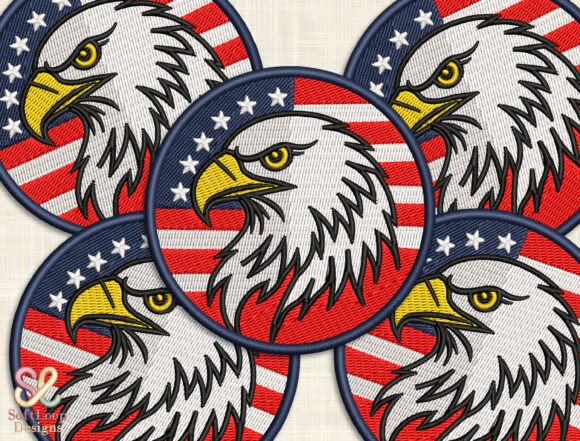
- Embroidered Patches: This is arguably the strongest application. The bold lettering and flag motif translate well to patch formats, allowing customers to buy them as standalone accessories or iron-on additions. Ensure you check the recommended hoop size to maximize detail without overcrowding the patch border.
- Custom Apparel and Uniforms: For staff uniforms at a local café or creative studio, placing this design on the chest or sleeve adds a festive touch without overwhelming the garment. It works particularly well on denim jackets or canvas aprons, where the rugged texture complements the distressed flag.
- Tote Bag Design: Canvas tote bags are a staple for boutique merchandise. The high contrast of red and blue thread against natural or white canvas ensures visibility. This makes it an excellent choice for customer gifts or event merch during Independence Day celebrations.
- Cap Embroidery: While possible, cap fronts require careful consideration. The curved surface can distort detailed elements. If the lettering is wide, it may need resizing to fit standard cap hoops without losing legibility.
Technical Considerations and Production Challenges
Even the most attractive design can fail if technical constraints are ignored. As a designer, I advise testing the 4th of July file rigorously before offering it as a finished product. Here are the critical factors to monitor:
Stitch Density and Texture: Distressed effects often involve varied stitch directions and densities. On thin fabrics, high density can cause puckering. Always use the appropriate stabilizer—likely a cut-away for stretchy materials or a tear-away for stable wovens—to maintain shape. Test on scrap fabric first to see how the thread interacts with the material.
Thread Color Contrast: The design relies on vibrant red and blue. On dark uniforms, such as navy or black work shirts, the red may blend in too much. You might need to adjust the thread colors or add a white underlay to ensure the design pops. Conversely, on light fabrics, ensure the blue is dark enough to stand out clearly.
Small Patch Sizes: If you plan to create mini patches for product packaging accents, be wary of tiny lettering. Intricate details can get lost when scaled down. Verify that the text remains readable at smaller dimensions. If the design becomes muddy, it may not be suitable for tiny applications like hang tags or small labels.
Enhancing Brand Value and Customer Trust
Using high-quality embroidery assets directly impacts perceived value. A well-executed 4th of July design on an apron or tote bag signals professionalism. It shows that your business invests in quality design assets and cares about presentation. This builds customer trust and encourages repeat purchases.
Furthermore, seasonal items drive engagement. By offering limited-edition merchandise featuring this design, you create urgency and excitement. It allows your brand to participate in cultural moments, fostering a sense of community among your buyers. Whether used for Etsy branding or local craft fairs, this design serves as a versatile tool for boosting visibility.
Practical Designer Notes for Implementation
Before launching this design in your store, follow these steps to ensure success:
- Test in Black and White: Print or stitch a monochrome version first. This helps you evaluate the clarity of the distressed flag and lettering without the distraction of color. If it looks good in grayscale, it will likely look great in color.
- Check Hoop Size Compatibility: Confirm the required hoop size matches your machine’s capabilities. Do not assume standard sizes; always verify the specific dimensions provided with the file.
- Create a Printable Mockup: Use digital tools to place the design on various products. This helps visualize scale and placement before stitching a single thread. Share these mockups with clients for approval if you offer custom services.
- Verify Commercial Licensing: Never assume a file is free for commercial use. Check the license terms explicitly. Ensure you have the right to sell physical items made with this embroidery file.
- Fabric Testing: Stitch samples on different textures. Denim, cotton, and polyester all react differently to stitch density. Adjust tension and stabilizer accordingly to prevent distortion.
In conclusion, the 4th of July embroidery design offers significant potential for small business merchandising. Its bold, rustic aesthetic fits well with handmade and local brand identities. However, success depends on careful technical execution. By respecting fabric limitations, optimizing thread choices, and verifying licensing, you can transform this digital asset into a profitable line of custom apparel and accessories. Always prioritize quality control to ensure every stitched item reflects the professionalism your customers expect.