Rose White Work: A Designer’s Review for Commercial Use
As an embroidery designer who spends countless hours digitizing and testing files, I have learned that not every machine embroidery design is created equal. Some are merely decorative, while others possess the structural integrity and aesthetic versatility required for serious commercial work. Recently, I took a close look at Rose White Work, a product available on Creative Fabrica, to determine if it holds up under the scrutiny of real-world production. This review is written from the perspective of a professional evaluating the file for potential client orders, Etsy listings, and boutique merchandise.
First Impressions and Visual Mood
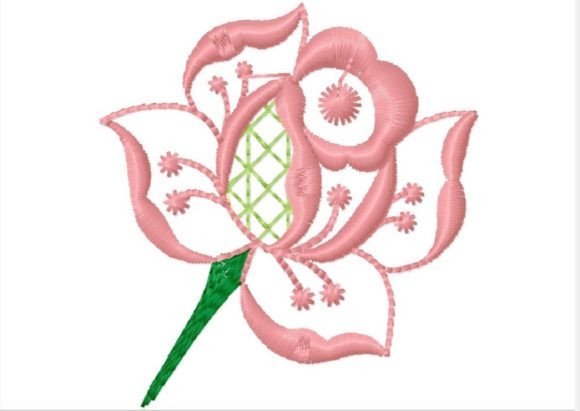
The initial appeal of Rose White Work lies in its delicate interpretation of traditional whitework techniques. Unlike bold, heavy satin stitch designs that can weigh down lightweight fabrics, this piece offers a refined, airy quality. It fits squarely into the Outline Flowers category, suggesting a focus on linear definition rather than solid fill areas. For designers seeking a vintage or heirloom aesthetic, this visual mood is invaluable. The design suggests elegance and subtlety, making it an excellent candidate for projects where the fabric texture should remain visible.
When reviewing the preview images, the stitching personality appears clean and precise. There is no visual clutter, which is crucial for maintaining a high-end look in handmade products. The decorative appeal is understated yet sophisticated, naturally fitting into home decor items like linen curtains, bed sheets, or premium kitchen towels. However, its versatility extends beyond the home, offering a unique option for custom apparel that requires a touch of feminine grace without overwhelming the garment.
Performance in Real Embroidery Projects
To truly evaluate an embroidery file, one must imagine it stitched out on various substrates. I considered how Rose White Work would perform across a range of popular commercial items. For custom apparel, such as a linen blouse or a cotton dress, the design’s likely open structure would prevent puckering, a common issue with dense fills on natural fibers. It would also serve beautifully as a tote bag design, adding a bespoke element to canvas bags that appeals to eco-conscious consumers.
In the realm of sweatshirt embroidery, this design offers a contrast to the typical bold, collegiate-style logos. Stitched on a pastel or cream-colored fleece, it could create a soft, romantic look that stands out in a crowded marketplace. For baby items, such as muslin swaddles or nursery decor, the gentle nature of the rose motif aligns perfectly with current trends in gender-neutral and soft-aesthetic parenting products. Additionally, as an embroidered patch base, it could be layered onto felt or denim for a textured, artisanal finish.
For those selling on Etsy or at craft fairs, this design supports the creation of cohesive collections. Imagine a set of matching pillow covers and table runners featuring this rose motif. The consistency in design language helps build brand recognition and trust. Furthermore, the simplicity of the design makes it an ideal candidate for creating printable mockup assets, allowing digital product sellers to showcase their branding on realistic product images before committing to physical production.
Practical Considerations for Production
While the aesthetic is promising, practical execution requires careful attention to detail. Since the product description mentions it is a "white work style," thread choice is critical. Using white-on-white or cream-on-cream requires high-quality thread with a subtle sheen to ensure the design remains visible. If stitching on dark fabric, the contrast must be managed carefully; however, whitework traditionally relies on texture rather than color contrast, so this design may be best suited for light to medium-toned fabrics.
Stabilizer selection is another key factor. For stretchy fabrics like jersey knits used in t-shirts or baby clothes, a cut-away stabilizer is essential to maintain the shape of the outline stitches over time. For woven fabrics like cotton or linen, a tear-away stabilizer may suffice, but testing is mandatory. Because this is an outline-based design, there is less risk of excessive stitch density causing fabric distortion, but hoop size must still be confirmed. Ensure your machine’s hoop can accommodate the design dimensions comfortably, leaving enough margin for proper hooping tension.
Curved surfaces, such as caps or sleeves, present additional challenges. The linear nature of the design might require careful placement to avoid distortion around seams or curves. Always stitch a test sample on scrap fabric identical to your final product material. Inspect the small details after stitching to ensure that any running stitch elements are secure and that there are no loose threads or jumps that could compromise the finished product’s durability, especially for items that will undergo frequent washing.
Enhancing Product Value and Brand Consistency
Incorporating Rose White Work into your product line can significantly enhance perceived value. Customers often associate intricate, delicate embroidery with higher quality and craftsmanship. By using a design that mimics traditional hand-embroidery techniques, you elevate a simple handmade product into a personalized gift that feels special and thoughtful. This emotional connection drives customer engagement and encourages repeat business.
Moreover, the visual appeal of this design supports strong product photography. The clean lines and elegant form photograph well, allowing for crisp, professional images that stand out on social media and online marketplaces. Consistency in using such refined design assets helps establish a recognizable brand identity. Whether you are creating seasonal handmade gifts or year-round boutique merchandise, the timeless nature of a rose motif ensures longevity in style trends.
Final Verdict and Licensing Notes
Before integrating Rose White Work into your commercial embroidery workflow, it is imperative to verify the specific file details on the Creative Fabrica product page. The description notes that the design comes with multiple embroidery formats, which is standard for broad machine compatibility, but always confirm that your specific machine model is supported. Check the license terms carefully to ensure you are compliant when selling finished items. While many Creative Fabrica designs allow for commercial use of physical products, restrictions on digital resale or mass production limits may apply.
In conclusion, Rose White Work presents a compelling option for embroidery designers looking to expand their repertoire with elegant, versatile motifs. Its suitability for a wide range of applications—from home decor to custom apparel—makes it a valuable addition to any digital library. By paying attention to fabric choice, stabilizer type, and thread contrast, you can leverage this design to create high-quality, marketable products that resonate with customers seeking beauty and craftsmanship. Always remember to test thoroughly and respect licensing guidelines to maintain a professional and sustainable business practice.